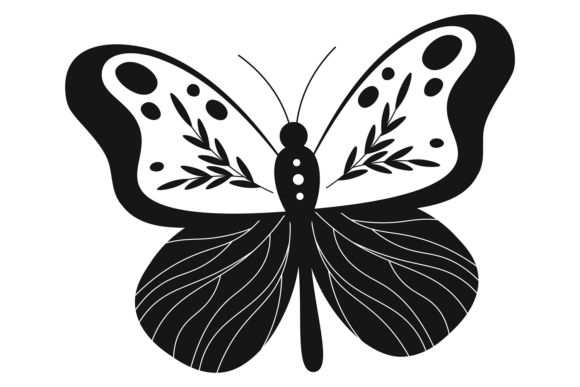
Decorative Winged Insect. Spring Beauty: A Font for Bold Visual Stories
The Allure of a Truly Decorative Typeface
When you first encounter the Decorative Winged Insect. Spring Beauty typeface, it doesn't just sit on the page—it performs. This isn't your everyday workhorse serif font or a neutral sans serif font. It's a premium font designed to make a specific, memorable impact. Imagine the delicate, intricate patterns of a butterfly's wings translated into letterforms. That's the core of its personality: organic, elegant, and inherently artistic. The visual style often blends elements of a script font with decorative flourishes, creating letters that feel both crafted and alive. It possesses a unique rhythm, where each character might feature subtle wing-like curves or textured details that reward closer inspection.
The overall appeal of Decorative Winged Insect. Spring Beauty lies in its ability to evoke a sense of spring beauty—renewal, lightness, and natural artistry. It’s a creative font that doesn’t shy away from its decorative nature. For a designer, entrepreneur, or content creator, this font is less about conveying dense paragraphs of information and more about setting a mood, establishing a theme, and capturing attention instantly. It communicates a brand identity that values artistry, detail, and a touch of whimsy or sophistication, depending on its application.
Where This Font Takes Flight: Ideal Applications
Understanding where Decorative Winged Insect. Spring Beauty excels is key to using it effectively. Its intricate nature means it shines brightest where impact matters more than raw readability at small sizes. Think of it as a specialist in your design assets toolkit, not a generalist.
In logo design and brand identity, this font can be transformative. It’s perfect for brands in the beauty, wellness, artisanal, floral, or boutique sectors. A wedding planner, a specialty tea company, or an organic skincare line could use this font for their wordmark to instantly communicate elegance, care, and a connection to nature. It becomes a visual shorthand for the brand's core values. For packaging design, especially on labels for gourmet foods, cosmetics, or luxury goods, the font adds a layer of perceived quality and artistry that a standard typeface cannot match.
In editorial design and publishing, use it strategically. It makes stunning drop caps, chapter titles, or pull quotes in a magazine or a book about gardening, art, or lifestyle. It can elevate the cover of a novel or a cookbook, drawing the eye with its distinctive character. For digital and web design, consider it for hero section headlines, special announcement banners, or as a highlight font for a single, powerful statement on a landing page. Its unique shape ensures it won't get lost in a crowded digital landscape.
Social media graphics are another natural habitat. A single use of Decorative Winged Insect. Spring Beauty in an Instagram quote graphic, a Pinterest pin title, or a YouTube thumbnail can stop the scroll. It provides the visual hierarchy needed to make a message stand out. For personal projects and crafters, it’s a gem. Imagine it on wedding invitations, handmade greeting cards, or custom art prints. It brings a professional, handwritten font-like quality that feels both personal and polished.
Practical Guidance: Choosing and Pairing with Confidence
Adopting a distinctive font like Decorative Winged Insect. Spring Beauty requires a thoughtful approach. Here’s how to integrate it successfully into your projects.
First, evaluate the project fit. Ask yourself: Does the project's tone call for decorative flair? Is the primary goal to attract attention and convey a specific aesthetic? If the answer is yes, proceed. If the goal is to present dense, long-form text for easy reading, this font is likely not the primary choice. Its strength is in display and headline use.
Next, master the font pairing. This is critical. A highly decorative font like this needs a calm, stable partner to ensure readability and balance. The classic rule of contrast applies beautifully here. Pair Decorative Winged Insect. Spring Beauty with a clean, geometric sans serif font for body text. The simplicity of the sans serif will provide a visual rest and make the decorative headlines pop even more. Alternatively, a sturdy, traditional serif font can create an interesting dialogue between old-world elegance and the font's modern, organic forms. Always test your pairings in context.
Review the included styles thoroughly. Does the font family come with different weights or alternate characters? Alternates are particularly valuable in a decorative font, allowing you to customize the look of specific letters to avoid repetition or to perfect a logo lockup. Understanding the full range of glyphs ensures you get the most out of your commercial font investment.
Always conduct a readability check at the intended size. A beautiful font that no one can read defeats its purpose. Test it on different screens and in print proofs. See how the intricate details hold up. You may find it’s perfect for a 48-point headline but loses clarity at 14 points.
Finally, understand the licensing. Since this is a premium font, ensure you have the correct license for your intended use—whether for a single client project, for your own business's commercial products, or for use in digital products for sale. Respecting the license supports the type designers who create these specialized modern typography tools.
In practice, using Decorative Winged Insect. Spring Beauty is about making a deliberate choice. It’s a tool for brand perception, used to build recognition and audience engagement through sheer visual appeal. It doesn’t try to be everything. Instead, it offers a focused, powerful aesthetic that, when used with intention, can elevate a design from ordinary to unforgettable. For the designer, marketer, or small business owner, it’s a way to weave a story of beauty and craftsmanship directly into the visual fabric of your work.